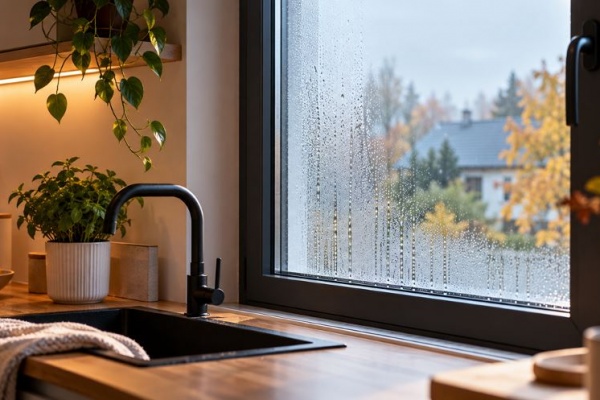
We can buy windows with excellent thermal performance, choose a modern glazing unit and an energy-efficient profile, and still feel a chill when standing near them during winter. Why? The problem does not always lie in the window itself. One possible cause is thermal bridging - areas of a building where heat escapes more easily than through the surrounding structure. When it comes to windows, the connection between the window frame and the wall is particularly important. If this junction is poorly designed or installed, it can become a weak point in the thermal insulation of the entire building. The result is not only increased energy loss. Around a thermal bridge, the temperature of the interior surface may be lower, which, under certain conditions, can encourage condensation and, over time, increase the risk of dampness or mould growth.
This is why even windows with the best declared thermal performance should be combined with properly planned and carefully executed installation.
Why do windows lose heat despite good thermal performance?
There is no single answer to the question of why windows lose heat. Every window plays some role in the transfer of energy between the interior and the outside environment, which is why parameters such as the Uw thermal transmittance value are so important. However, the actual performance of windows in a building depends not only on the window construction itself. The way it is fitted into the wall opening and the quality of the connection between the frame and the surrounding structure also play a crucial role. Even a window with a very low Uw value will not deliver the expected results if gaps remain around the frame, the insulation is installed incorrectly or the sealing layer is interrupted. Particular attention should also be paid to areas around window sills, lintels and reveals, where breaks in the building’s thermal insulation can create weak spots. These are precisely the places where the continuity of the building's thermal insulation can easily be disrupted. In practice, this means that when choosing energy-efficient windows, it is worth thinking of them not as separate products but as part of the entire external building envelope. The window and its installation should form one properly functioning system.
How to avoid thermal bridges when installing windows
One of the most important factors is properly preparing the window opening and positioning the window correctly in relation to the wall layers.
The installation method should always be tailored to the building’s construction.
Installing a window in a single-layer wall may require a different approach from installing one in a wall with an additional insulation layer.
In both cases, the aim is to minimise areas where the insulation is interrupted, creating an easier path for heat to escape.
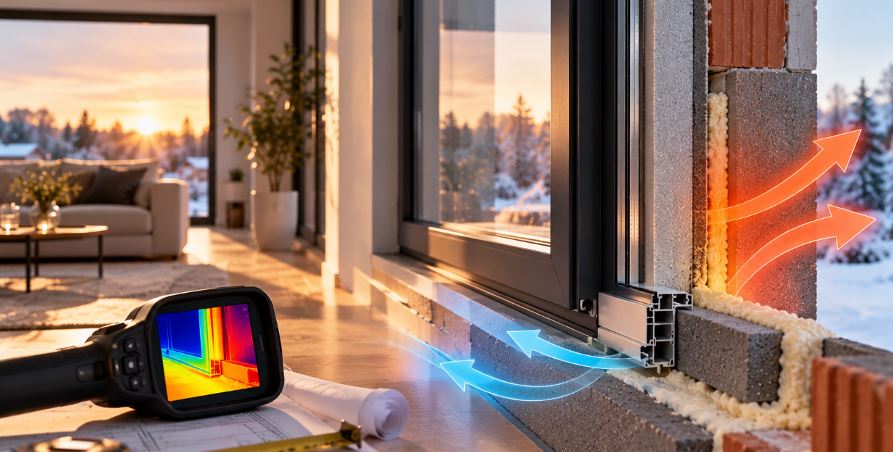
It is also essential to carefully fill the space between the window frame and the wall with thermal insulation material. Installation foam primarily serves an insulating function, but it should be properly protected against moisture and weather conditions. Modern installation methods therefore often use multi-layer sealing solutions, including suitable tapes or other system-specific sealing materials.
The key is to maintain continuous insulation around the entire perimeter of the window. Even small installation details can make a significant difference to the overall thermal performance of the building.
Warm window installation – what does it actually mean?
The term “warm window installation” is often used when purchasing energy-efficient windows, but it does not refer to one specific product. In simple terms, it describes a method of installing and sealing windows that aims to reduce heat loss at the junction between the window and the wall while protecting the insulation layer.
A common principle is that the connection should be properly protected both from the interior and the exterior. Depending on the project, this may involve the use of vapour-tight and vapour-permeable tapes, expanding sealing tapes, special profiles or systems that allow the window to be positioned within the insulation layer.
However, this does not mean that one solution will be the best choice for every building. The installation method should take into account the wall construction, the type of window, its dimensions and the requirements of the entire project.
In the case of large and heavy glazed structures, proper support and secure fixing are also particularly important.
Read also:
A good window is only half the story
When buying windows, it is easy to focus on numbers: the Uw value, glazing unit specifications or the properties of the window profile. These factors are undoubtedly important, but actual thermal comfort also depends on the quality of installation. Improper sealing around the window frame can partially reduce the benefits of investing in an energy-efficient product.
So, how can thermal bridges be avoided? The best approach is to consider this issue before installation even begins.
Accurate measurements, proper preparation of the opening, correct window positioning, continuous insulation and the use of materials suited to the specific installation conditions are just as important as the technical performance of the windows themselves.
If concerning symptoms appear after installation – such as noticeably cold areas around the window reveals, dampness or draughts - it is worth investigating the cause.
A thermal imaging survey may also be helpful, as under suitable conditions it can identify areas where increased heat loss occurs.
At Aikon Distribution, we help customers choose windows and solutions that meet the requirements of their specific projects. Because even the most energy-efficient window performs at its best when it is properly integrated into the building.