Windows have a significant impact on the comfort of your home, indoor temperature, noise levels, security and heating costs. Even high-quality windows wear out over time. Seals, mechanisms and hardware deteriorate, while the performance of older window systems may differ significantly from what modern windows can offer.
Of course, this does not mean that every window that is several years old needs to be replaced immediately. In many cases, proper adjustment and maintenance may be sufficient. However, there are certain signs that should not be ignored. So, how can you tell when it is time to replace your windows? Here are the 7 most important signs that your windows may need replacing.
See our range of windows:
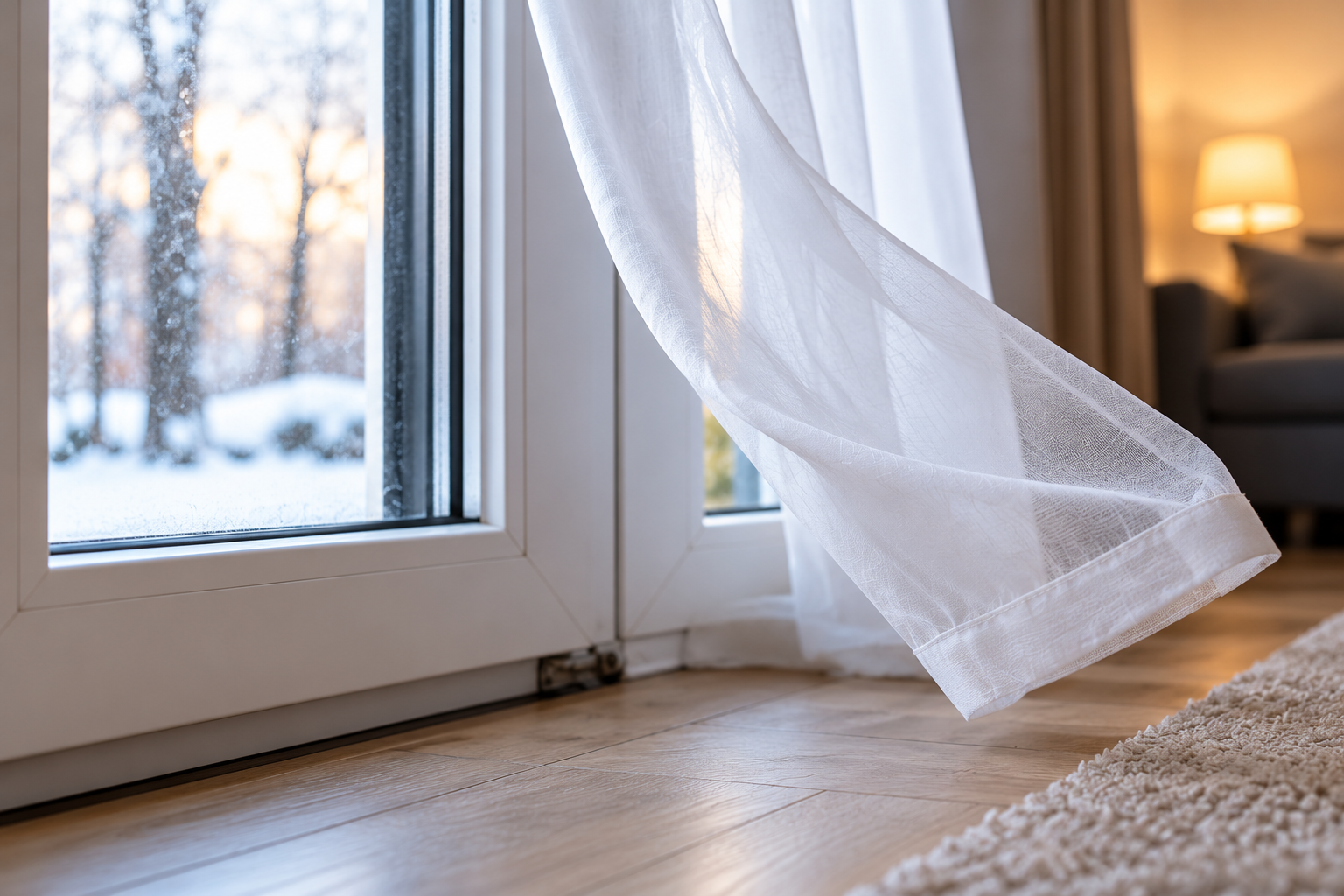
1. You can clearly feel a draught coming from the window
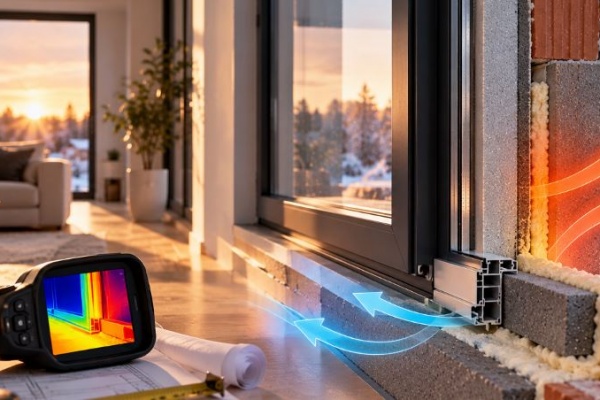
One of the most obvious signs of a problem with your windows is noticeable cold air movement around a closed window. If you can feel cold air or a clear draught while standing next to a closed window, it is worth checking the condition of the entire structure.
However, the window itself is not always the cause. The problem may result from worn seals, incorrectly adjusted hardware or installation errors. If adjustments and the replacement of worn components do not produce the desired result, it may be worth considering replacing the windows.
Draught
2. Difficulty opening or closing the window
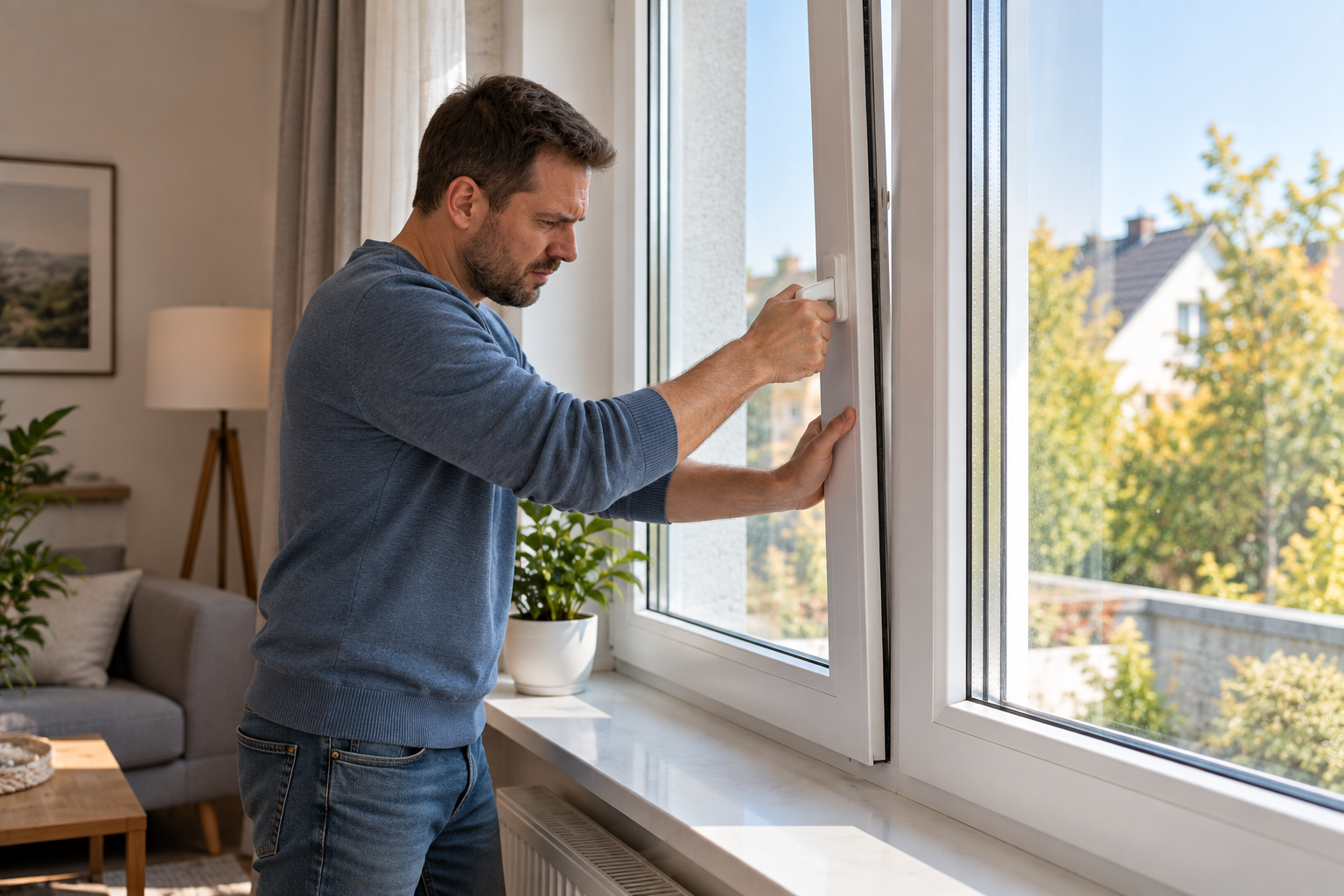
A properly functioning window should open and close without requiring excessive force. If the sash starts rubbing against the frame, the handle becomes difficult to operate or you have to push the sash firmly to close the window, the problem should not be ignored.
The first step should be to check whether the hardware can be adjusted or repaired. Some problems are simply the result of normal wear or incorrectly adjusted mechanisms.
The situation is different if there is permanent deformation of the profiles, damage to the frame or other structural components. In such cases, further repairs may only provide a temporary solution.
3. Outside Noise Is Clearly Noticeable
If you can still clearly hear outside noise after closing the windows, the cause may be insufficient acoustic insulation or air leakage. This problem can be particularly noticeable in older buildings fitted with windows offering only basic performance.
Modern solutions make it possible to select both the window construction and glazing units with acoustic insulation in mind. This is particularly important for houses and apartments located near busy roads or in city centres.
Replacing windows can therefore improve not only thermal insulation but also everyday acoustic comfort.
4. Moisture between the panes
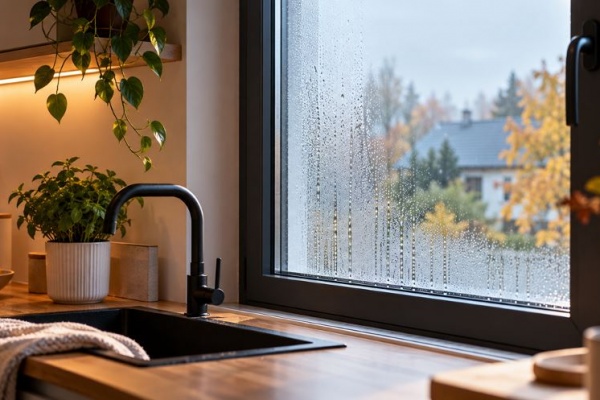
Condensation that appears on the interior surface of the glass, on the room side, is usually associated with high indoor humidity and insufficient ventilation.
However, moisture or characteristic fogging that appears inside the insulating glass unit – between the panes – can be a cause for concern. This may indicate that the glazing unit has lost its airtightness. In such a situation, the glazing may no longer provide its original insulation performance.
Depending on the construction and overall condition of the window, it may be possible to replace only the glazing unit. However, if the window itself is already significantly worn, it is worth considering whether replacing the entire window would be a more cost-effective solution.
5. Mould or signs of damp around the windows
Damp areas, discolouration or mould appearing around the window frame can be warning signs. They are particularly worth investigating if the problem regularly returns despite proper heating and ventilation of the rooms.
There can be several causes, ranging from inadequate ventilation and high indoor humidity to thermal bridges, leaks where the window meets the wall or installation errors. Therefore, the presence of moisture alone does not necessarily mean that the window needs to be replaced.
However, if a specialist determines that the problem is caused by the poor condition of the window, persistent leaks or incorrect installation, repair may not be sufficient.
6. Higher heating bills
Rising heating costs can have many causes, as the energy efficiency of a building depends not only on its windows but also on its walls, roof, doors, ventilation and heating system. Windows should therefore be considered as part of the home's overall energy performance.
However, if the building requires an increasing amount of energy to maintain the same indoor temperature, it is worth checking the condition of the windows as well. Older window systems often provide significantly poorer thermal insulation than modern solutions. The profile construction, glazing unit, seals and correct installation all play an important role.
7. Deformed frames
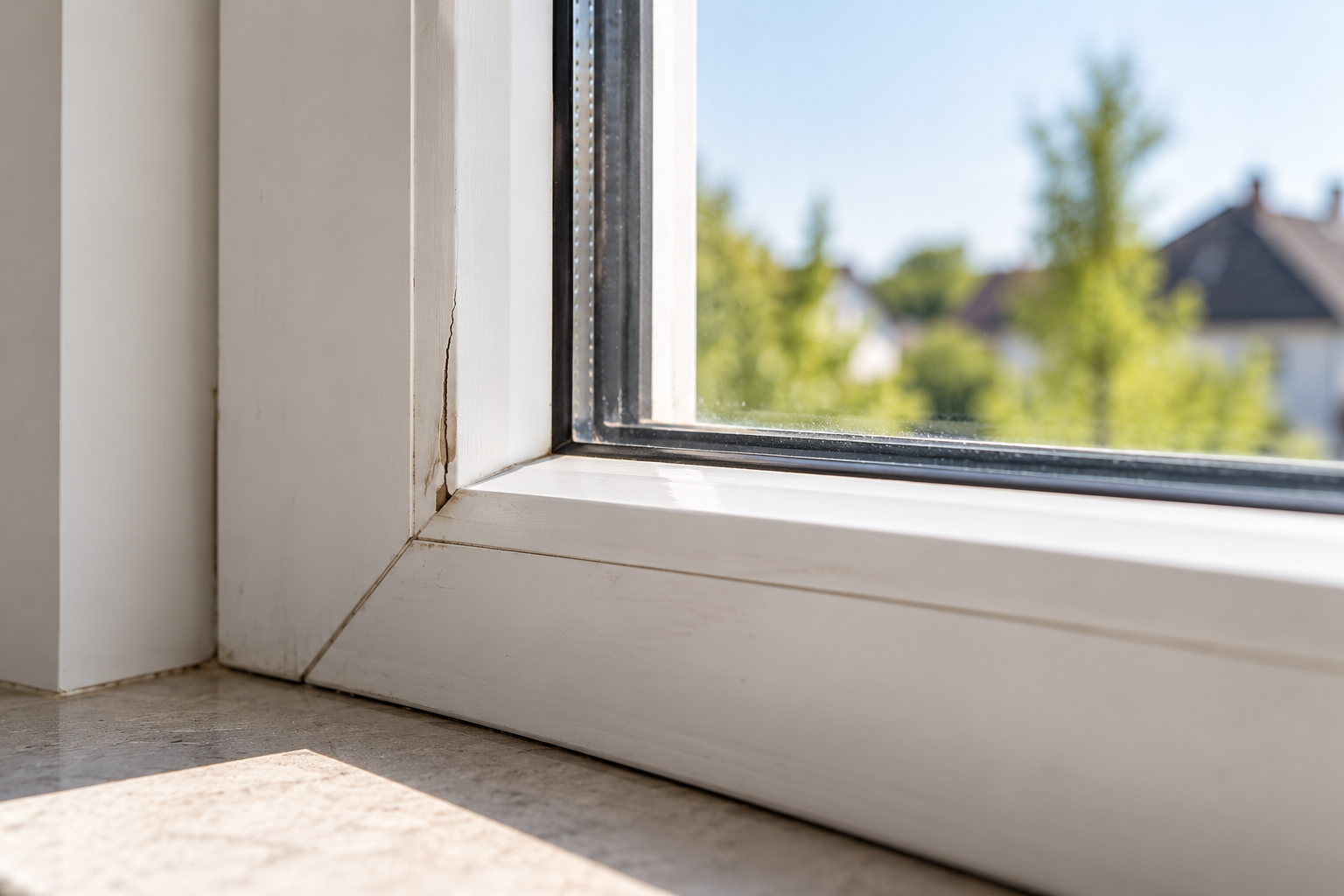
Cracked profiles, deformation, mechanical damage, problems with sash stability or advanced deterioration of wooden components are clear signs that the windows need to be repaired or replaced.
It is also worth inspecting the areas where the window frame meets the wall. Cracks, damp patches or leaks may indicate installation problems or deterioration of the sealing materials used.
If the window is old and the number of problems continues to increase, repeated repairs may no longer be economically worthwhile. In this case, replacing the window can provide a comprehensive solution instead of repeatedly fixing individual faults.
Cracked window sash
What are the key reasons for replacing windows?
If your windows are leaking, damaged, difficult to operate, have failed glazing units or their performance clearly no longer meets the current needs of your home, it may be the right time to consider replacing them. New windows, properly selected for the building and professionally installed, can improve not only thermal and acoustic comfort but also the security and appearance of your home for many years to come.
Are your windows showing any of the signs described above? Are you considering replacing them? Contact us – we will be happy to help.
Read Also: